

我们没有必要比别人更聪明,但我们必须要比别人更自制。
-巴菲特
有人说,中国的钱都在楼市里,美国的钱在股市。似乎有点道理。股票投资确实是大多数有投资能力的美国家庭的标配。记得刚来美国读书那会儿,去美国朋友家里过圣诞节。当时是2008年,全球金融危机,股市都不好。我记得他们说今年圣诞不买圣诞树,要省着点,钱还套在股市里。当时的自己对股市的认识,觉得是一个凶险又无序的存在。后来自己和股市打交道之后,才逐渐改变过来。
A股里有个说法,股市里是八赔一平一赚。这让我想起了最近很红的鱿鱼游戏。处在人生底部的一群人,突然接到神秘邀请去参加一场生存游戏,最终胜者可获得的1000万美元的奖励。 这是一场生命和金钱的跷跷板。游戏参与者被关在游戏地点,一轮一轮晋级。游戏中勾心斗角贿赂出卖一样也不缺 。被淘汰的参赛者会被当场击杀,直至最后一轮最终获胜者的诞生。惨烈程度真的很像股市。在股市里,怀揣着赚大钱梦想的股民们也是在市场里买卖厮杀。有人一夜暴富也有人一夜破产,但破产的人远超暴富的人。这极少数暴富的人就类似于游戏里最后的获胜者。他们忍受了股价的过山车,扛过了股票的大起大落。成为了“一赚”的那极少数。
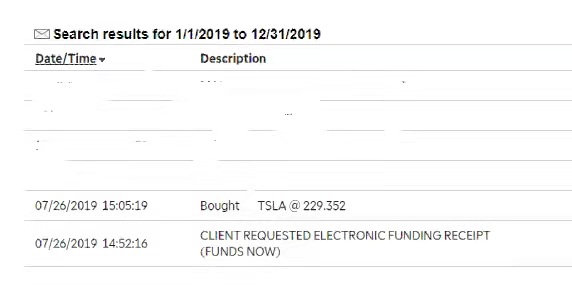
我正式进入股市是2019年,买了特斯拉。那时候并不是因为计划好要投资股市,而是作为马斯克的粉丝,想要支持他。但还买不起特斯拉的汽车,所以就买了特斯拉的股票。虽然买的不多,这种纯粹的热血最后给了我不错的回报。这期间股票价格像坐过山车。但是因为信任马斯克,相信特斯拉,完全没有卖出的想法。后来最终也卖出了,是因为当时价格远远高出了我的预想。现在来看,当时的高也不算高。这才让我认识到,长期持股的重要性。股票不应该只是低买高卖,而应该长期持有和企业一起成长。俗话说,会买的是学生,会卖的才是老师。这也说明了股票的卖出很难把握。为了让自己的操作更系统更科学,从去年开始,我开始看一些投资类书籍。巴菲特,芒格和费舍书里的观点给了自己很大的帮助。之前的操作都是模糊的直觉,看书之后开始了解价值投资的重要性,也会在实际操作中监督规范自己。对于价值投资,我的理解是,在市场价低于实际价值时买入好公司并长期持有。如果是有着强大护城河的卓越的公司,合理的市场价也可以买入。因为卓越的企业会不断创造更高的价值,持续带来可观的收益。
价值投资说起来容易,但要真的执行起来,做到知行合一很难。所以说,股市投资是很简单的事,但不容易。目前的自己也还在练习。对于不赞成价值投资,或者做不到长期持股的人来说,短线听上去很诱人。市场里时不时有短线翻好几倍还能即时抽身的投资案例。只是这种个案没有借鉴意义,也更像是赌博。我虽然不赞成短线交易,但从个人有限的短线经验来看,顺从趋势是做短线的人需要把握的。如果能抓住一只股票上涨的趋势买入,等到出现下行的趋势时候卖出,也能获利。但是,难就难在趋势的高低点很难把握,容易被套或者卖飞。如果低点没有把握好,买入之后还下跌,也就是左侧买入被套。对于短线投资者来说,刚买入就走下跌可能会持股体验不好,所以有的人会选择在企稳上升通道再买入股票。如果卖出过早,没吃到后面利润,也就是卖飞。卖飞会教会投资者长期持有和企业成长的可贵,这就又回到了价值投资。如果是秉承着价值投资长期持有,买入点就不那么重要了。
以我目前持有的苹果股票为例,我大概一年前买入,到现在的收益率是25%。其实从我买入到现在,苹果股价出现过好几次15%的振幅了。如果我是短线趋势投资者,每次15%震荡时候肯定会想买卖一下,抓住波段的收益。但实际上,相较于长期持有来说,反复买卖是会错过中间某部分的收益的。我们上面提过,一般人不能准确的抓住振荡期的底部和顶部,所以往往会卖飞。这样后面的收益没吃到,即使之后再买入,也错过了中间的利润增长期。和企业一起成长的价值投资,才是投资的大道。长期坚定持有的,最后会收获几倍甚至几十倍的收益。所以有人说,最好的持股方式就是买入之后,不再去理会。当然,也可能会出现运气不好,买了几十年没有很大增长甚至退市的公司,所以长期持股共同成长的前提是买入有价值的成长型企业的股票。至于要如何判断并买入这种股票,这里列出费舍在《怎样选择成长股》里的如何选择有价值的好公司的一些标准,供大家参考。
- 公司有没有产品或服务具有足够的市场潜力可以实现持续几年销量的大规模增长
- 在公司目前产品销售潜力被充分挖掘之后,公司管理层有没有进一步开发新产品扩大销量的意愿
- 对于公司当前的规模来说,公司的科研发展的效率
- 公司有没有高于平均水平的销售团队
- 公司有没有可观的利润率
- 公司有没有做什么来维持甚至增加利润率
- 公司有没有融洽的员工关系
- 公司有没有优秀的管理层关系
- 公司有没有深层次的管理
- 公司的成本分析和财务控制怎么样
- 公司有没有其他方面,行业相关的方面,能让投资者判断公司在行业竞争中的位置
- 公司在盈利上是短期还是长期的视角
- 在可预见的未来,公司的成长需不需要靠股权融资来换取,甚至这种股权融资已经中和掉了换来的成长能带给股东的利益
- 公司管理层能不能做到报喜也报忧,而不是粉饰甚至隐瞒问题
- 公司的管理层有没有毋庸置疑的诚信
当然,研究出了值得买入的好公司,也要投入足够的资金量。否则即使选中了一只超级成长股,而只买了少量资金的话,即使翻倍收益也很有限,是很可惜的。重仓买入价值股并长期持有,才能最终获得可观的收益。
免责声明:本文只是一般性介绍,不构成任何投资建议, 也不承担任何法律责任。理财有风险,投资需谨慎。
“We don’t have to be smarter than the rest. We have to be more disciplined than the rest.”
— Warren Buffett
Some say China’s money is in the real estate market, while Americans’ money is in the stock market. There is some truth in it. Stock investment is very common for most American households with investment capabilities. When I first came to the U.S., I went to an American friend’s house for Christmas. It was 2008. U.S. economy was still in recession. The stock market was bad. I remember they said that they would not buy a Christmas tree for that year as their stocks were low. At that time, my impression of the stock market was nothing but a dangerous and disorderly zone. This impression remained unchanged until I started dabbling in the stock market.
In the Chinese stock market, a saying goes like this – eight traders lose, one draws, and one profits. This reminds me of the drama that is on fire recently – Squid Game. It is a game like all or nothing. A group of people hitting rock bottom of their lives receives a mysterious invitation to participate in a survival game. The game has several rounds and those failed will be killed on site. All participants have to stay in the game location until the winner arises. The finalist will receive a 10 million dollar reward. You get to see how good and bad people can be facing survival and the temptation of money. The cruelty of the game is similar to the stock market. Dreaming of making big money, stock traders’ trade and bustle in the market. Some get rich overnight and others go bankrupt, and the latter are far more than the former. Those very few people who become rich are similar to the final winner in squid game. They endured the stock price roller-coaster ride and survived, becoming the “one profits”.
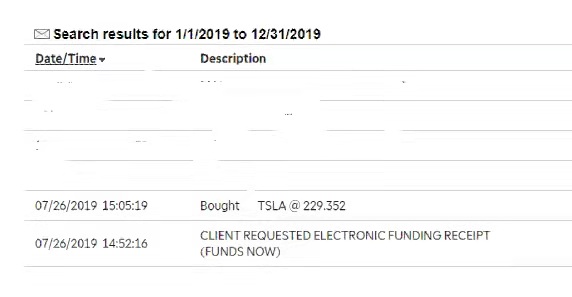
My official entry into the stock market was in 2019. I bought some Tesla shares. I didn’t intend to buy stocks. I just wanted to support my idol Elon Musk. I couldn’t afford a Tesla car, so I bought Tesla stocks instead. I didn’t buy much, but the stocks went up a lot. I never thought about selling despite of the roller coaster price. I sold them eventually when the price rose much higher than I could imagine. The high price at that time is so low compared with Tesla stock’s current price. Now I realize we should not just buy stocks low and sell high, but should hold for the long term and grow with the company. As the saying goes, those who know when to buy are students, and one who knows when to sell is the teacher. I started to read book from Warren Buffett, Charlie Munger and Philip Fisher to educate myself for stock investment. It was all vague concept until that moment. Everything started to make sense. They all mentioned value investing. My understanding of the notion is that we buy company stocks at a discount price from their current underlying value and hold them until their value is realized. If it is an excellent company with much growth potential, its stock is also worthy buying even at a fair market price – a price that reflects its underlying value. Excellent companies will continue to create more value and bring considerable gains.
The idea of value investing is simple, but it is easier said than done. During implementation, it is difficult to achieve the unity of knowledge and action. Therefore, investing in the stock market is a simple matter, but not easy. I am still working on myself. Some people do not agree with value investing or cannot hold stocks long-term. Short-term trading sounds very tempting. From time to time, there are cases of short-term stock holders doubling their investment instantly. However, these are very rare and have no reference significance. It is more like gambling. I do not approve of short-term trading myself. However, from my limited short-term trading experience, identifying and following the trend is what active traders should do. If you can ride with the upward trend and sell when the downward trend starts, you can also make a profit. However, the difficulty lies in the fact that it is hard to identify the high and low points of short-term trend, and you might end up buying or selling too early. If you buy it too early, the stock still goes down and traders will have a bad experience holding stocks. Therefore, some active traders prefer to wait for the stock to have set upward trend to buy in. However, for active traders, buying or selling too early would always be an issue and hard to beat unless you are holding something long term. After all, buying in the stocks and hold to grow with the company is the easiest and most rewarding way.
Take my Apple stocks as an example. I bought it about one year ago and currently the gain is 25%. In fact, in the past year, Apple’s stock price has fluctuated by 15% several times. If I were a short-term active investor, and traded during the fluctuation, I might have gained 50% so far. However, more probably would I have sold the stocks for good. The ideal way of buying low and selling high is usually not what happened in real life. As we mentioned above, most people cannot buy or sell at the right time. At least that is my case. You are not supposed to time the market anyway. If you hold value stocks firm and long, you will eventually reap several times or even dozens of times the gain. Some people say that the best way to profit is to buy the stocks and ignore them. That is kind of true. Without checking often, one is less likely to be attempted to sell. Of course, it will be a different story if you bought a bad company that did not grow at all or even got delisted. The prerequisite for long-term stock holding and value investing is to buy stocks with continuous growth potential. As for how to tell this kind of stocks, Fisher lists the criteria for choosing a good company in his book Common Stocks and Uncommon Profits. I list them here for the reference.
- Does the company have products or services with sufficient market potential to make possible a sizable increase in sales for at least several years
- Do the management have a determination to continue to develop products or processes that will still further increase total sales potentials when the growth potentials of currently attractive product lines have largely been exploited
- How effective are the company’s research and development efforts in relation to its size
- Does the company have an above-average sales organizations
- Does the company have a worthwhile profit margin
- What is the company doing to maintain or improve profit margins
- Does the company have outstanding labor and personnel relations
- Does the company have outstanding executive relations
- Does the company have depth to its management
- How good are the company’s cost analysis and accounting controls
- Are there other aspects of the business, somewhat peculiar to the industry involved, which will give the investors important clues as to how outstanding the company may be in relation to its competition
- Does the company have a short-range or long-range outlook in regard to profits
- In the foreseeable future will the growth of the company require sufficient equity financing so that the larger number of shares the outstanding will largely cancel the existing stockholders’ benefit from this anticipated growth
- Does the management talk freely to investors about its affairs when things are going well but “clam up” when troubles and disappointments occur
- Does the company have a management of unquestionable integrity
After picking a good stock, it is equally important to buy a good amount. If not, even though the stock price doubles, the gain will still be limited. Buy a significant amount of value stocks and hold them for a long time. You will be rewarded generously.
Disclaimer: This article is just a general introduction and does not constitute any investment advice. We take no responsibility or liability. Investing is risky and be cautious.
 Bridging cultural differences