

又快过年了。小时候每逢过年,年初一或二基本是去外婆家吃午饭。饭后,大家都在外面排排坐晒太阳,嗑瓜子。下午,大人们会凑满一桌开始玩牌局“三打一”。磕着瓜子花生,嘻嘻哈哈,红色的钞票在桌上风水轮流转。记忆中那些日子都是暖阳当空,衣服口袋里好吃的鼓得像小山。最重要的是,我和其他表兄妹可以自由活动,手握巨款跑去村口的小卖部去买零食玩具和烟花,在压岁钱充公之前抓紧时间挥霍,算是上交前的最后疯狂。因此对于这种牌局,也就是赌博的最初印象挺美好的。渐渐地,成长过程中,不时听父母说某个熟人老板跑路了,因为赌博欠下很多钱还不上,还借了高利贷,好多年都敢不回家。有个叔叔,自己开公司做生意,发展的很不错,我当时对他挺尊敬。一年后,也因为赌博欠债公司破产了。得知这个消息,突然觉得财富散起来很快。那时候我才慢慢形成赌博这件事,一旦上瘾就是致命的这种意识。
最近看了圆桌派第四季第10集,除固定嘉宾外,还请来了作家严歌苓,讨论的话题是中国人的赌性。全集主要围绕她的书妈阁是座城展开。这本书的故事背景是澳门赌场,情节自然和赌博相关。严歌苓认为赌性是我们民族的先天弱点。她很早开始对于中国人的赌性进行过思考,从历史文化民族发展的角度来看,中国人史上多有饥荒战乱,食不果腹的年代,因此对于拥有财富的渴望特别深,赌博这种似乎能一夜间积累大量财富,改变命运的手段,自然吸引力无穷;同时她还查阅了移民美国的华工的经历和遭遇,这些辛苦大半生的人会抵制不住诱惑,选择在回国轮船上的赌桌豪掷千金最后落得身无分文的处境;她提到了在拉斯维加斯赌场看到的美国赌客和中国赌客截然不同的形象 – 美国的赌徒多半是有社会不良分子的外貌潜质,而中国赌客却大多数是穿着光鲜,看上去貌似社会成功人士。由此来看,上到社会成功人士,下至底层劳工,中国人似乎有着甩不掉的赌性。

我去过拉斯维加斯赌场很多次。里面有免费供应的酒水。穿着性感摩登的女郎手托各类酒精饮品,穿梭于琳琅满目的赌博机子和牌桌之间。在这玩,不仅有多巴酚带来兴奋和渴望,还有酒精助兴。这种环境,一般人很难抵御诱惑。赢了想赢更多,输了想要翻本。对于新人,很多赌场一开始都会送给你几百的免费券。不怕你赢钱,只怕你不玩。我陪朋友玩过好几次,记得有几次朋友刚开始赢了好几百,本来说见好就收。但总是因为各种原因,又会回到赌桌上,最后就这么把赢的钱全盘还回去了。整个赌场的设计就像是一块大磁铁,把顾客牢牢困在里面。
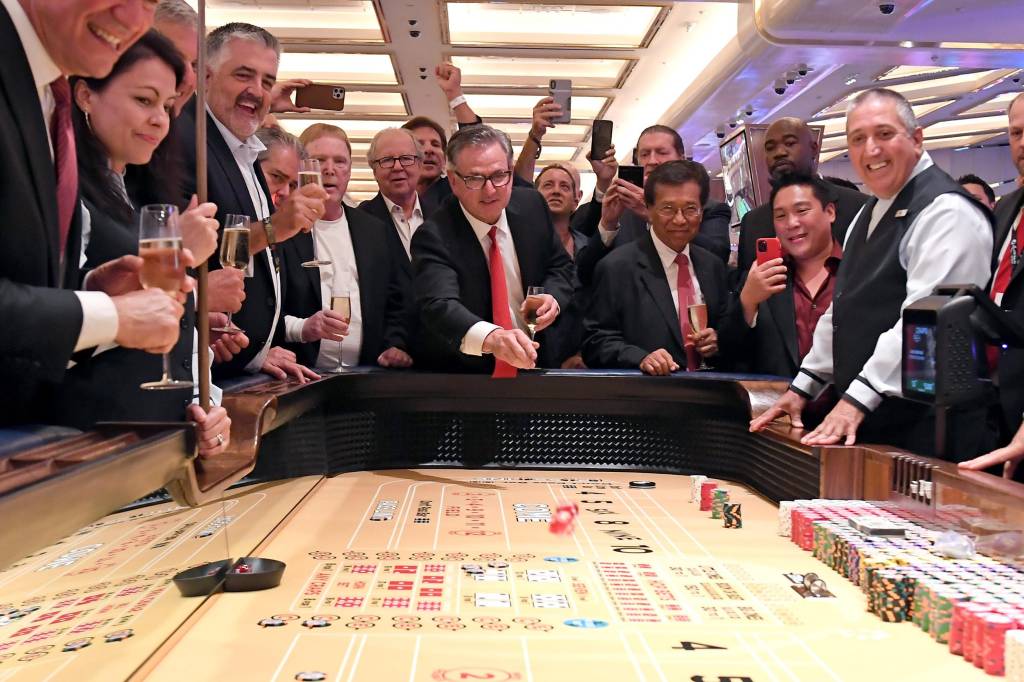
但我身边认识的人,似乎都是小赌怡情的类型。以前住在加州长滩的时候,房东名叫Tom,是个八十多岁的美国老头。他平时的生活很简单。早上出去买个最喜欢吃的巧克力甜甜圈,回来做杯咖啡搭配着早餐。中午有时候简单吃个三明治之类,下午出去找朋友闲聊会儿,一般都是他教会的朋友。傍晚会固定去附近一座景色优美的山坡上散个步,晚上回来做个饭,有时候会来杯酒。每天几乎都如此。Tom有个固定的娱乐活动,就是每个月都会驾车到离长滩一小时车程的海边酒店去小赌一回,预算不超过$500。其实Tom没什么钱。除了退休金之外,他还从自己房子的已还贷款里兑钱出来补贴生活,所以我当时不太理解他每个月要去赌一下的做法。后来和他聊起来,他把这称为自己的娱乐开销而不是赌博,类似其他人吸烟喝酒开销。每次他都挺开心的。大多数时候他都是输掉这$500块的本金,但他不会失落不开心,输了以后他也不会继续。他不上瘾。我当时问他,一次都没有因为诱惑超过这个预算吗?他说Nope。他很自律,很理性,非常清楚自己应该怎么做,所以才能把这种小赌控制为一种娱乐活动而不是瘾。当然有时候也会小赢一些,赢的钱他会买些好吃的。我当时就非常佩服他的自制力和理智。
那真的和严歌苓想的一样,我们民族就比较好赌吗?这种需要严格论证的大命题,光靠身边个例或感觉来得出结论恐怕是不负责的。但个人觉得,我们的文化里确实有些让人赌性大的历史缘由。费孝通的乡土中国里提到,中国人历史上大多数时间是农耕社会,自古以来是依赖土地而生的,土地是中国人的根。民以食为天,吃饱饭这件事最为重要。当朝代更替,人民处于饥荒战乱年代,基本生存受到威胁的时候,就会缺乏安全感。在下一场灾难来临前,需要抓紧时间积累足够的钱财。这种无安全感的状态下,赌博的心态会加重。西方人的文化心态是较理性的。我们的文化总体较感性。对于同样处于无安全感境地的中西方人来说,西方人更可能会理性思考赌博输赢的概率而放弃走上这条路。而我们更可能会由于情绪导向而赌性增强。从以前的风水轮流转,富贵险中求,到现在的搏一搏,单车变摩托,都有这层意思。论语里写道“不患寡而患不均,不患贫而患不安”。这两句话道明了我们骨子里恐惧的不是寡和贫,而是不均和不安。我不害怕自己赚的少,只要我和别人的差距不要太大;如果实在是我赚的少,我也不怕过得贫穷困苦了,只求生活平安稳定,时有小确幸。倘若我贫苦社会还不安定,我干脆不如去赌一把算了。但无论如何,赌性作为人性的弱点,不要轻易去考验。
It’s almost Spring Festival again. When I was a child, we usually went to my grandmother’s on my mom’s side for lunch on the first or second day of the new year. After lunch, everyone sat outside of the house to bask in the sun and snacked on sunflower seeds. In the afternoon, uncles and aunts would sat around the table and play cards “three-on-one”. Snacking and laughing, they took turns to win and lose. The children got to have fun on their own. Those fond memories associated with sunny weather, lots of delicious snacks in my pockets, and most importantly the freedom of me and cousins going to the variety shop to buy our favorite snacks, toys and fireworks with our red pocket money, are the best part of spring festival for me. We tried to enjoy as much as we could before our pocket money got confiscated by our parents. Therefore, my initial impression of gambling – the “three-on-one” card game, thanks to its association with spring festival and happy memories, is not bad. As I grew up, I heard from my parents stories of acquaintances ran away and hid from creditors coming for the gambling money lent out. There was a close uncle who started his own company and did business well. I respected him at the time. Not long did I hear that his company had to file bankruptcy because he embezzled the money to gambling. Hearing that, I felt fortune could vanish quickly, and gradually realized addiction to gambling is fatal.
I recently watched an episode from a Chinese talk show – Round Table. Chinese American writer Yan Geling was invited to discuss the topic of gambling gene in Chinese people. She wrote the book A City Called Macau, of which the story is set in casinos in Macau and is naturally related to gambling. Yan Geling believes that gambling is inherent in Chinese people’s gene. She started to have this observation from an early time. She first supported her stance from the perspective of historical and cultural development of the nation. Chinese people have gone through many years of famines and starvation due to the change of dynasties in its long history. Therefore, the desire for gathering wealth is strong. Gambling often associates with easy wealth accumulation overnight and changing one’s destiny, and is therefore sought after a lot. At the same time, Geling reviewed the records of early Chinese immigrants to the U.S. Those people labored hard for most of their lives but failed to resist the temptation of gambling even on the ship back to their home country, and ended up with almost nothing; She also mentioned her personal encounters with American gamblers and Chinese gamblers seen in Las Vegas casinos – American gamblers are mostly looking unscrupulous, while most Chinese gamblers are well-dressed and looking successful. It seems that the Chinese people, from labor workers to successfully looking people, are both inclined to gambling.

I have been to Las Vegas casinos multiple times with friends. Girls wearing sexy and modern hold alcoholic beverages shuttling among the dazzling array of gambling machines and poker tables. Being in this environment gets you excited and hyped, letting alone add the catalyst of alcohol. It is difficult to resist the temptation. If you win, you want to win more; and if you lose, you want to turn the tide. For newcomers, many casinos give out free coupons worth hundreds as incentives. They are expert in getting you into playing. There were a few times my friend won hundreds of dollars at first, but ended up losing the profits returning to the table for various reasons. The entire casino is like a big magnet, trapping customers regardless of their efforts to leave.
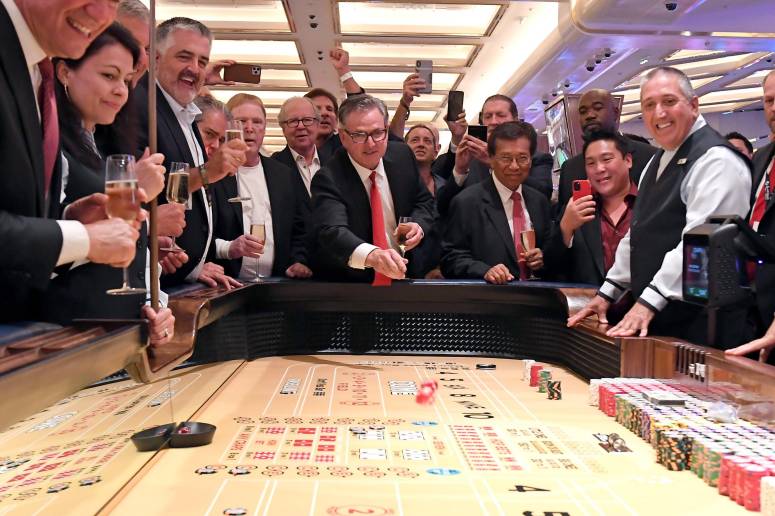
When I lived in Long Beach, California, my landlord was an old American in his eighties named Tom. His daily life routine is simple. He would head out in the morning to buy his favorite chocolate donuts and come back to make a coffee as breakfast. He simply ate a sandwich at noon, and hung out with friends from his church afterwards. Then he would go for a walk on a nearby scenic hillside, and come back to cook dinner, and occasionally drank a glass of wine. However, Tom had a regular monthly “leisure activity”. He would drive to a seaside hotel an hour away from Long Beach to gamble, with a budget no more than $500. I didn’t understand at that time, because Tom was not well off. He lived on his retirement pension, and also took money out from his paid house mortgage to subsidize his living. He told me that rather than gambling, he considered it leisure expense. It was similar to what other people spent on smoking and drinking. He is not addicted. I asked him if he ever spent more because of the temptation? He said Nope. He is very self-disciplined and rational, and very clear about what he should do. That was why he could keep it under control. He would lose the $500 stake most of the time, but he had fun and wouldn’t continue. Of course there were also times he won, and he would leave and buy something delicious. I admired his self-control and rationality at the time.
So is it true that Chinese people are more addicted to gambling as Geling Yan thinks? Such a proposition definitely requires a dissertation. It is irresponsible to draw conclusions based on merely a few examples. However I think the development of Chinese culture does have some historical reasons for gambling tendency. Chinese sociologist Fei Xiaotong mentioned in his work From the Soil: The Foundations of Chinese Society that China is a farming society most of the time in history, which means Chinese people have relied on its land and soil, and the land is their root. Feeding themselves has always been the theme in Chinese people’s lives. When dynasties alternate, people are in times of famine and war, and their survival is threatened. They want to quickly accumulate enough food and money before next disaster strikes. In this state of insecurity, the gambling mentality increases. Western culture is more rational, while the Chinese culture is generally more emotional. For Chinese and Westerners who are in an equally insecure situation, westerners are more likely to weigh the probability of winning or losing and ditch gambling as a resort. There is the old Chinese saying “luck bestowal takes turns and wealth is sought taking risks,” and a recent one “take a bet and change a bicycle to motorcycle.” Both are about the idea that gambling and taking risks can bring about fortune and wealth. Confucian Analects mentions “The problem does not lie in scarcity, but in inequality; and not in poverty but in instability.” It made clear what Chinese people fear most is not scarcity and poverty, but inequity and instability. In other words, I am not afraid of making less money, as long as I am equally treated; I am not afraid of living in poverty, as long as my life is secure with small blessings from time to time. If I am living in both poverty and insecurity, I might just take a gamble. Opps. That should not be the way to go. In any case, gambling in itself as a weakness of human nature should not be tested.
 Bridging cultural differences