

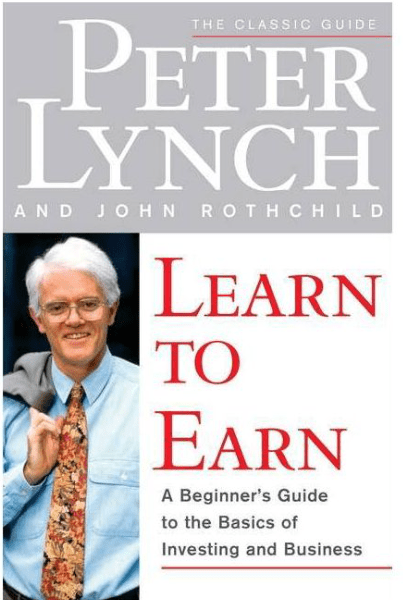
自从投资股市,便开始看书建立自己的价值投资体系。所幸的是,学习投资并不需要像成为证券分析员一样,得啃下经济金融类的必修书。其实很多金融专业人士甚至经济学家不见得投资必然成功,这让自己作为一名自由投资者多生了几分信心,相信能够通过学习其他价值投资大师的投资理念,成为一个真正的投资者而不是投机分子。可想而知,对于一个踏入股市的新人投资者来说,如果不学着建立正确的投资体系而是任由自己的感觉和性子操作,恐怕会在实际操作中付出巨额学费。虽然交学费是必经之路,但打有准备的仗可以减少损兵折将的几率。
在认定了价值投资这件事后,自己也慢慢琢磨出了一些道理。但是知道是一回事,理解与否又是另一回事,能够按照自己理解的去严格执行操作更是要求更多的自律。最近看了彼得林奇的书《学以致富》,对价值投资的必要性又有了一些新的体会,想记录下来顺便和大家分享。
美国从最早期在一棵大树下进行股票交易,到现在在股市交易所蓬勃开展已经快200年了。在这段岁月中,股市随着资本市场的成熟和完善,经历过萌芽期,泡沫期和成熟期。正如任何事物的发展一样,高潮低谷,繁荣枯萎都是正常的四季变换,但过高的高潮和繁荣是需要警惕的,比如英国南海泡沫事件和美国1929年大崩盘。
中国A股市场目前正处于浮躁期,美股也曾经经历过。这种时期股价和公司的本质,也就是基本面,没有太大关联。大家都跟着热钱走,必定会产生超出公司本身价值几倍甚至几十几百倍的泡沫。其实无论何时何地,当投资者期望短期内疯狂追逐不切实际的过高利润,将其毕生积蓄下注在一个毫无希望的事业上时,这种狂热造就的泡沫终有刺破回调的一天。即便是有美好前景的成长型公司,也需要有一个合理的估值。因此如何以一个好的价格买入一个好的公司,而不是追逐热钱堆叠起来的泡沫,才是一个价值投资者需要不断练习的。
都说投资的钱都应该是闲钱,而不应该是生活所需,因为价值投资是个长期过程。即使是在目前资本市场相对成熟的美国,投资人在1929年那次崩盘后,也等了将近 22年才等到股市回归崩盘前的水平。22年哪,试想如果一个人将自己计划买房或者较短期会用到的钱投到股市,那一旦股市崩盘或者调整,而你没时间等待市场的修复而被迫卖出,损失就成了确定。“其实股票的价格长期看是涨的,但100人中有99个人却老是成为慢性输家,这是因为他们的投资没有计划,然后失去耐心,急着把赔钱的股票卖出”。因此用闲钱购买 有价值的公司并耐心陪伴公司成长,不根据股价来进行操作。能做到这条非常不容易。成功与失败的界限就是自我约束。当然,这里前提也很重要,买的必须是有宽护城河高成长性的有价值的公司。否则,可能没等到价值回归却等来了公司的破产退市。林奇提到,“买一些有盈余成长潜力的公司股票,而且除非有很好的理由,千万不要轻易卖出持股。其中股价下挫永远都不是一个好理由。” 不因股价的波动而心动很难做到,但至少要能做到不轻易买卖。即使有很好的理由,比如公司有破产风险,也要有确实的证据,否则不要轻易放弃持股。
可能有的人会问,如果已经进入了熊市,为什么不先把资金撤出来防止进一步下跌,然后等到大环境气候变好之后再重新投入呢?这个问题本身是个悖论。首先,处在熊市中的我们,并不知道明天是不是就开始恢复渐入佳境了,这样今天的卖出就成了卖在底部。即便明天还是跌的,我们暂时卖对了,我们等待股市跌更多再入场的心态也决定了我们会观望而没有及时重新买入,这样一不小心就错过大口回血的机会。“你绝对无法想象短短几天的行情的变化有多么剧烈,并且对你的投资报酬有多大的影响”。这便是最好的解释。作者举了下面这个例子。美国80年代多头市场的五年里,股市平均一年上扬26.3%,紧守长期投资的人在这段时间内资产增值了一倍。在这五年时间里,股市开市的日子共有1276天,但股价上扬却仅仅集中在40天之内,如果你因为害怕股市更多的下跌而撤出,与这40天擦肩而过,26.3%的年回报率就只剩下4.3%。 其实最能对抗熊市的策略就是设定时间表,以固定的频率投资固定的金额。比如,每个月,每四个月,或每六个月等固定的时间里投资固定的金额,这样可以避免追高杀低及忐忑不安的心情,均摊风险。
最后和大家共勉,“再好的计划都有可能失败,因为投资本身就是有风险的事”。
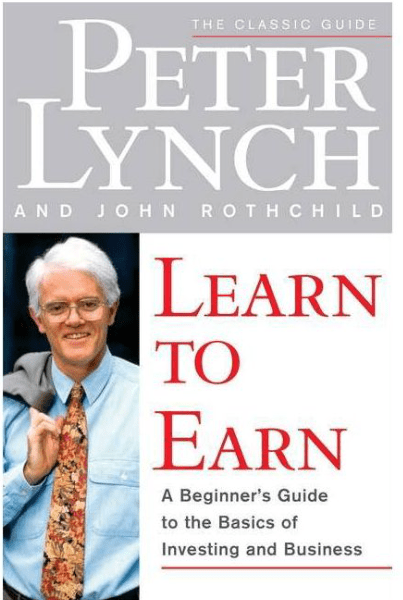
Since I started investing in stocks and decided to adopt value investing , I have been learning to build my investing strategies and principles through reading investment books. According to several investment gurus, becoming good at investing does not require an economics or finance degree, like what’s required of a securities analyst. In fact, many financial professionals and even economists may not necessarily succeed in investing, which boosted the confidence of ordinary retail investors like me. I believe I can become a good investor rather than a speculator through learning from the experiences of other value investing masters. It is conceivable that for a rookie investor who just dabbled into the stock market without setting up his own investing principles, trading or acting based on his feelings and temperament will surely cost him a huge “tuition fee” (aka. taking loss) in the market. Although “paying tuition” is inevitable, fighting prepared battles can reduce the chance of losing troops.
Although I gradually figured out the gist of value investing, it is far from enough. Knowing it is one thing, understanding it is another, and being able to strictly conduct transactions according to its principles requires even more self-discipline. I recently finished reading Peter Lynch’s book Learn to Earn, and have some thoughts on value investing which I want to note and share here.
It has been nearly 200 years since the United States first started stock trading under a big tree. During this period, the stock market has gone through the budding phase, bubble periods and relatively mature period as the capital market grows and matures. As with season changing and the development of anything, there are highs and lows, prosperity and withering. However, we need to be wary of especially high tides and booms, such as the South Sea Bubble in the United Kingdom and the Great Crash of 1929 in the United States.
China’s A-share market is currently experiencing high volatility, which the US stock market had went through as well. In this phase, stock price has little to do with a company’s fundamentals and performance. Investors follow the whereabouts of big and hot investment money, which inevitably creates a stock price bubble several times or even dozens or hundreds of times the true value of the company itself. Whenever and wherever investors expect to chase unrealistically high returns in a short term by frantically betting their life savings on hopeless companies, their frenzy will create a bubble that eventually bursts. Even promising growth stocks have a fair value. Therefore, buying a good company at a good price, rather than chasing hot money stacked bubbles, is what a value investor should practice constantly.
Investment money should always come from your spare money, not from the money for daily life, because value investing is long-term. Even in the United States where the stock market is relatively mature, with the 1929 crash, investors waited nearly 22 years for the stock market to return to the pre-crash level. Twenty-two years. Imagine that a person invests the money he plans to buy a house or use in a short time into the stock market. Once the stock market crashes or adjusts, he cannot wait for the market to recover and will be forced to take loss. Actually, data shows that stock price goes up in the long run, but 99 out of 100 people lose money in the stock market. This is because they don’t have a plan for their investments, and lose patience along the way and rush to sell the loss stocks. Therefore, one should use the spare money to buy valuable companies stocks, patiently hold and wait for the company to grow, and does not transact based on stock prices. It might sound simple but is very difficult to observe. The fine line between value investing success and failure is self-discipline. Of course, the premise is equally important – you must buy a valuable company with a wide moat and high growth probability. Otherwise, what awaits ahead might not be gains but the bankruptcy and delisting of the company. Peter Lynch had put it the below way – “Buy stocks of companies with potential for earnings growth, and don’t sell your holdings unless you have a good reason. A drop in stock price is never a good reason.” It’s hard not to be tempted by stock prices, but you must restrain yourself from buying and selling. Even if there is a good reason, such as company’s bankruptcy risk, there must be solid evidence. Otherwise don’t give up your shares easily.
Some may argue that if the marketing is going bear, why don’t I withdraw funds out first to prevent further declines, and then reinvest when the tide changes? The question itself is a paradox. First of all, if we are in a bear market, we don’t know if it will recover or still plunge tomorrow. If we sell and the market bounces back tomorrow, we would have sold at the very bottom. Let’s say it still falls after we sell. Our mentality of waiting the stock market to fall more before re-entering determines that we would wait and see and eventually miss the bounce up that can happen anytime. “You can’t imagine how drastic the market changes can be in just a few days and how much of an impact it can have on your investment returns.” The author gives the following example to further illustrate this idea. During the five years of U.S. bull market in 1980s, the stock market rose an average of 26.3% per year, and long-term investors doubled their investment value during that time. In these five years, the stock market opened for 1,276 days, but the rise in stock prices concentrated in 40 days. If you have withdrew fearing that more decline would come, you would have missed these 40 days. A 26.3% annual return will be reduced to just 4.3%. In fact, the best strategy for combating a bear market is to set a timetable and invest a fixed amount at a fixed frequency. For example, every month, four months, or even six months, etc. Invest a fixed amount of money in a fixed period of time, so as to avoid chasing high and dumping low, and eventually to lower the risks.
Last but not least, we always have to bear in mind that even the best planning and execution might fail, because investing is always risky.
 Bridging cultural differences